

Dr Albane Buriel of the University of Rennes 2, France, will present ‘Arts in Crisis Settings: Rethinking Health, Education, and Protection’ at The Vienna Conference on Arts & Humanities (VCAH2026) and The Vienna Conference on the Social Sciences (VCSS2026), to be held in Vienna, Austria, and online.
Dr Albane Buriel is an associate researcher in Education Sciences and founder and president of Art to Face, an international NGO working at the intersection of research, humanitarian practice, and cultural action. Her keynote will draw on her fieldwork across crisis-affected contexts to examine how arts-based programmes can support wellbeing, education, participation, and social connection while addressing the ethical challenges involved.
This keynote presentation will be held both onsite in Vienna and online via live-stream. To participate in VCAH/VCSS2026 as an audience member, please register for the conference via the conference website.
Speaker Biography
Albane Buriel
University of Rennes 2, France
 Dr Albane Buriel is an associate researcher in Education Sciences at University of Rennes 2, France, within the Centre for Research on Education, Learning and Didactics (CREAD), and the founder and president of Art to Face, an international NGO dedicated to culture and arts education in emergency, conflict, and post-conflict settings. Her work lies at the intersection of research, humanitarian practice, and cultural action. She specialises in arts-based approaches across mental health and psychosocial support, education, and community participation, examining how artistic and cultural practices can support agency, recognition, collective meaning-making, and social cohesion in contexts of violence and displacement.
Dr Buriel has conducted multi-sited fieldwork in Palestine, Syria, Iraq, Yemen, and Eastern Europe, working alongside local communities, artists, educators, NGOs, and international organisations. Her research draws on ethnographic and participatory methodologies, including participant observation, arts-based and biographical devices, and collaborative knowledge production.
She teaches humanitarian action, MHPSS, and arts-based education in several universities. Her work critically examines both the potential and the ethical tensions of arts-based practice, including questions of power, representation, emotional exposure, care, and sustainability. Through Art to Face, she is currently developing the International Observatory on Culture and Arts Education in Crisis and Post-Conflict Contexts.
Abstract
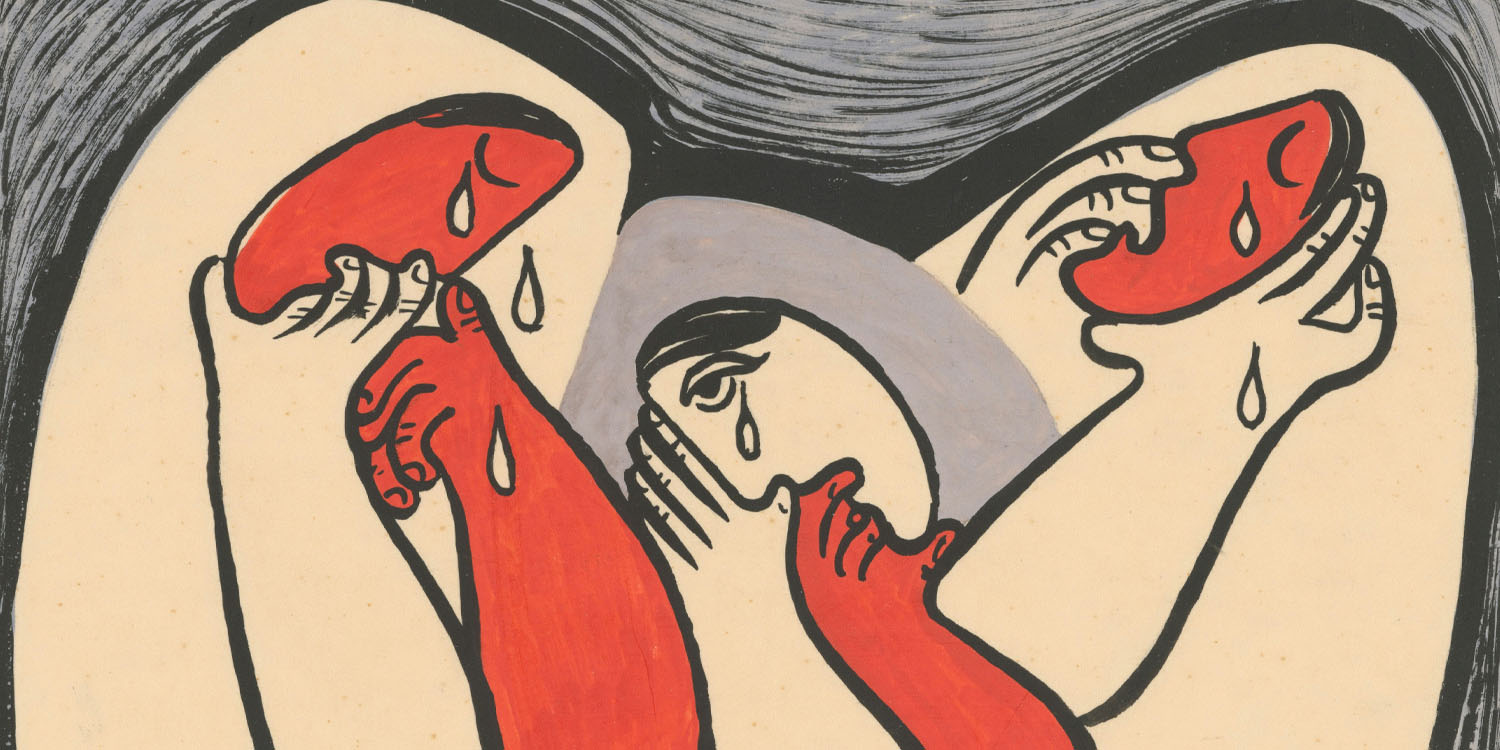
Arts in Crisis Settings: Rethinking Health, Education, and Protection
Over the past decade, arts, health, and wellbeing have become an increasingly established field of research, practice, and public policy. The WHO scoping review on arts and health (Fancourt & Finn, 2019), the creation of the Jameel Arts & Health Lab, and UNESCO’s Framework for Culture and Arts Education reflect a growing recognition of artistic and cultural participation as a matter of public interest.
Yet, in contexts of crisis, conflict, and displacement, the purposes and conditions of arts-based practice require particular attention. Violence, displacement, disrupted education, weakened social ties, and the loss of cultural spaces affect not only individual wellbeing, but also collective memory, cultural continuity, participation, and possibilities for peace. This keynote draws on multi-sited research and practice in Syria, Iraq, and other crisis-affected contexts to examine how arts-based programmes operate across health, education, and protection.
Proposing a typology of existing approaches, this talk distinguishes between programmes primarily oriented towards health and psychosocial support and those focused on education in emergencies, while also identifying hybrid approaches that connect cultural participation, protection and community life. These practices include visual arts, theatre, music, storytelling, participatory, and biographical approaches, often developed in collaboration with local artists and communities.
The keynote argues that artistic practices should not be understood solely through therapeutic outcomes or individual wellbeing. Their potential also lies in creating conditions for expression, recognition, collective meaning-making and social connection. However, such effects are neither automatic nor inherent to art itself. They depend on facilitation, meaningful participation, cultural legitimacy, and the quality of relationships between artists, educators, health professionals, and humanitarian actors. The presentation concludes by considering the ethical, professional, and evaluative challenges facing this emerging field.
