Programme

Friday, November 13 be onsite at the Austria Center Vienna and live-streamed online.
Saturday, November 14 to Monday, November 16 will be onsite at the Austria Center Vienna only.
Tuesday, November 17 will be online only. All times are Central European Time (UTC+1).


Conference Outline

Friday, November 13, 2026Saturday, Nov 14Sunday, Nov 15Monday, Nov 16Tuesday, Nov 17

All times are Central European Time (UTC+1)

Location: Austria Center Vienna

09:00: Conference Check-in | Foyer D (Level -2)

09:30-10:00: Welcome Address & Recognition of IAFOR Scholarship Winners | Hall G (Level -2) & Online
Joseph Haldane, IAFOR, Japan

10:05-10:15: Special Video Address | Hall G (Level -2) & Online
Christoph Wiederkehr, Minister for Education, Austria

10:20-10:45: Keynote Presentation | Hall G (Level -2) & Online
Digital Humanism in a More-Than-Human World
Christoph Thun-Hohenstein, Future Platform ReGenerativa, Austria
10:45-11:00: Q&A

11:00-11:30: Networking Coffee Break

11:30-11:55: Keynote Presentation | Hall G (Level -2) & Online
11:55-12:10: Q&A

12:15-13:20: Keynote and Panel Presentations | Hall G (Level -2) & Online
The Arts in Times of Crisis

12:15-12:35: Keynote Presentation | Hall G (Level -2) & Online
Darrel Toulon, Anton Bruckner Privatuniversität, Austria

12:40-13:00: Keynote Presentation | Hall G (Level -2) & Online
Arts in Crisis Settings: Rethinking Health, Education and Protection
Albane Buriel, Art to Face NGO & University Rennes 2, France

13:00-13:20: Discussion Panel | Hall G (Level -2) & Online
Albane Buriel, Art to Face NGO & University Rennes 2, France
Darrel Toulon, Anton Bruckner Privatuniversität, Austria
Ruth Mateus-Berr, Universität für angewandte Kunst Wien, Austria (Moderator)

13:20-13:25: Conference Photograph

13:25-14:30: Extended Break

14:30-15:30: The Forum | Hall G (Level -2)
Melina Neophytou (Moderator)

The Forum is a plenary session designed as a platform for international, intercultural, interdisciplinary – and inclusive – discussions, joining experts and practitioners in an open dialogue format. Come share your thoughts and experiences as global educators and researchers.

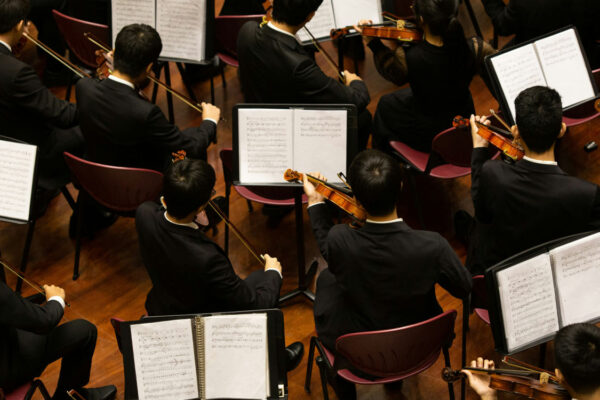
15:35-16:35: Cultural Performance | Hall G (Level -2)
Viennese Traditions of Strings and Winds

A special Cultural Presentation featuring two emerging and established chamber-music ensembles from Vienna: violinists Peter Schuhmayer and Seina Matsuoka, and the clarinet quartet Reedlines. Bringing together performance, musical insight, and cultural history, this one-hour session will introduce delegates to Vienna’s living classical-music tradition through two contrasting instrumental settings. Each ensemble will give a 20-minute performance followed by a 10-minute talk, offering attendees an opportunity to hear the music and learn more about its repertoire, interpretation, and cultural context directly from the performers.

16:40-17:40: Welcome Reception & Conference Poster Session | Hall G (Level -2)

20:00-22:00: Conference Dinner | Wiener Rathauskeller
This is a ticketed event

All times are Central European Time (UTC+1)

Location: Austria Center Vienna

08:45: Conference Check-in | Foyer D (Level -2)

09:05-09:35: Conference Orientation for First-Time Presenters | Room -2.33 (Level -2)
Matthew Chima, IAFOR, Japan
Melina Neophytou, IAFOR, Japan

This session provides an overview of what to expect at the conference, including guidance on preparing your presentation, publishing opportunities, and ways to engage with IAFOR.

09:40-10:10: Flash Presentations | Room -2.33 (Level -2)
Maximise your visibility with the opportunity to network and showcase your research highlights. Simultaneously, you will gain a comprehensive overview of other presenters, helping you identify potential collaborators and must-see sessions. This session is open to all delegates, including those who have already presented.

10:10-10:40: Networking Coffee Break

10:40-12:20: Onsite Parallel Session 1
Room -2.32 (Level -2): VCSS | Psychology and Social Psychology
Room -2.33 (Level -2): VCAH | Humanities - Teaching and Learning
Room -2.43 (Level -2): VCSS | AI and Psychology in Education
Room -2.62 (Level -2): VCSS | Economics and Management
Room -2.63 (Level -2): VCSS | Politics and Public Policy

12:20-12:35: Break

12:35-13:50: Onsite Parallel Session 2
Room -2.32 (Level -2): VCSS | Psychology
Room -2.33 (Level -2): VCAH | Humanities - Teaching, Learning and Praxis
Room -2.43 (Level -2): VCAH/VCSS | Language Teaching and Learning
Room -2.62 (Level -2): VCSS | Comparative Economic Analyses
Room -2.63 (Level -2): VCSS | International Relations and Politics

14:00-14:50: Cultural Workshop | Room -2.33 (Level -2)
Viennese Folk Music Workshop: Wienerlied

14:50-15:20: Networking Coffee Break

15:20-17:00: Onsite Parallel Session 3
Room -2.32 (Level -2): VCAH/VCSS | Social Psychology
Room -2.33 (Level -2): VCAH | Humanities - Teaching and Learning Methods
Room -2.43 (Level -2): VCSS | Teaching and Learning in Digital Age
Room -2.62 (Level -2): VCSS | Sociology in Economics and Management
Room -2.63 (Level -2): VCAH/VCSS | Sociology

All times are Central European Time (UTC+1)

Location: Austria Center Vienna

09:00: Conference Check-in | Foyer D (Level -2)

09:30-11:10: Onsite Parallel Session 1
Room -2.32 (Level -2): VCAH/VCSS | Sustainability Issues in Cultural and International Studies
Room -2.33 (Level -2): VCAH | Humanities - Teaching and Learning with AI
Room -2.43 (Level -2): VCAH | Humanities - Language/Linguistics
Room -2.62 (Level -2): VCAH | Social Wellbeing
Room -2.63 (Level -2): VCSS | Globalisation and Internationalisation

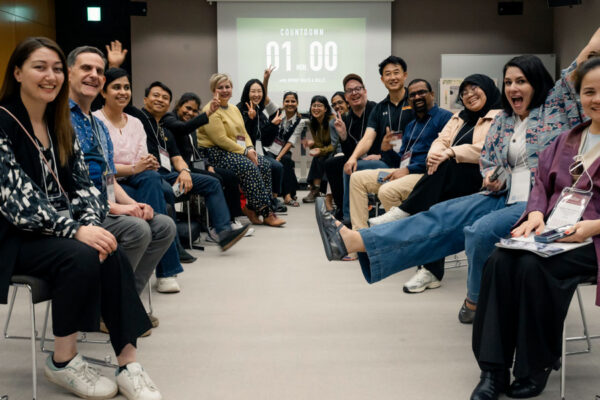
11:10-12:10: The World in a Room (Networking Session)

12:10-12:40: Networking Coffee Break

12:40-13:55: Onsite Parallel Session 2
Room -2.32 (Level -2): VCAH | From Awareness to Acceptance: Reframing Disability (Workshop)
Room -2.33 (Level -2): VCAH | Cultivating Lifelong Writers Through Reflective and Creative Practice (Workshop)
Room -2.43 (Level -2): VCSS | The 2026 K-12 Technology Benchmarking Report (Panel)
Room -2.62 (Level -2): VCSS | Psychoanalytic and Literary Framework for Recognizing Resistance to Healing (Workshop)
Room -2.63 (Level -2): VCAH | The Lived Poetics of Color (Workshop)

13:55-14:10: Break

14:10-15:50: Onsite Parallel Session 3
Room -2.32 (Level -2): VCAH/VCSS | Digital Humanities
Room -2.33 (Level -2): VCAH | Humanities - Teaching and Learning
Room -2.43 (Level -2): VCAH | Teaching and Learning the Arts
Room -2.62 (Level -2): VCSS | Education and Social Welfare
Room -2.63 (Level -2): VCSS | Sociology and Sustainability

15:50-16:05: Networking Coffee Break

16:05-17:45: Onsite Parallel Session 4
Room -2.32 (Level -2): VCAH | Ethnicity, Difference, Identity
Room -2.33 (Level -2): VCSS | Teaching and Learning Experiences
Room -2.43 (Level -2): VCAH/VCSS | Cultural and Media Studies
Room -2.62 (Level -2): VCAH | Arts - Media Arts Practices

All times are Central European Time (UTC+1)

Location: Austria Center Vienna

09:00: Conference Check-in | Foyer D (Level -2)

09:30-11:10: Onsite Parallel Session 1
Room -2.32 (Level -2): VCAH/VCSS | Sexuality, Gender, Families
Room -2.43 (Level -2): VCAH/VCSS | Humanities - History/Historiography
Room -2.62 (Level -2): VCAH/VCSS | Perspectives on Societal Changes
Room -2.63 (Level -2): VCAH/VCSS | Literature, Media and Identities

11:10-11:40: Networking Coffee Break

11:40-12:55: Onsite Parallel Session 2
Room -2.32 (Level -2): VCAH/VCSS | Cultural Studies and Practice
Room -2.43 (Level -2): VCAH/VCSS | Urban Studies and Design
Room -2.62 (Level -2): VCSS/VCAH | Sociology
Room -2.63 (Level -2): VCSS | Journalism and Communication

13:00-13:20: Closing Session | Room -2.33 (Level -2)

13:20-14:30: Extended Break

14:30-16:40: Knowledge Exchange Hubs | Room -2.33 (Level -2)
Connect, collaborate, and shape ideas in this interactive session designed to turn delegates from passive participants into active contributors. Join rotating topic groups, exchange ideas on topics selected by delegates, explore potential interdisciplinary collaborations, and experiment with AI-based tools to develop and share your ideas. Coffee will be served throughout the session.

    - 14:30-14:40: Opening and Group Formation
    - 14:40-15:10: Group Discussion
    - 15:10-15:30: Break
    - 15:30-16:00: Creative Reflection & Storytelling (with optional AI support)
    - 16:00-16:30: Group Presentations
    - 16:30-16:40: Wrap-Up

All times are Central European Time (UTC+1)

Conference Venue: Online via Zoom

09:00-09:05: Message from IAFOR

09:05-10:05: The Forum (Online) | Live-Stream Room 1
Briar Pelletier, IAFOR, Japan (Online Moderator)

The Forum is a plenary session designed as a platform for international, intercultural, interdisciplinary—and inclusive—discussions, joining experts and practitioners alike in an open dialogue format. Come share your thoughts and experiences as global educators and researchers.

10:05-10:20: Break

10:20-12:00: Online Parallel Session 1
Live-Stream Room 1: VCAH/VCSS | Social, Political and Community Agenda
Live-Stream Room 2: VCSS | Politics and Public Policy
Live-Stream Room 3: VCAH/VCSS | Media Studies

12:00-12:10: Break

12:10-13:25: Online Parallel Session 2
Live-Stream Room 1: VCAH/VCSS | Education and Social Welfare
Live-Stream Room 2: VCAH/VCSS | Humanities - Cyberspace/Technology
Live-Stream Room 3: VCAH | Religion and Spirituality

13:25-13:35: Break

13:35-14:50: Online Parallel Session 3
Live-Stream Room 1: VCAH/VCSS | Sexuality/Gender/Families
Live-Stream Room 2: VCAH | Arts Policy, Management, and Advocacy

14:50-14:55: Message from IAFOR

The above schedule may be subject to change.


Featured Speakers


  • Anne Boddington
    Anne Boddington
    IAFOR, Japan
  • Albane Buriel
    Albane Buriel
    University Rennes 2, France
  • Ruth Mateus-Berr
    Ruth Mateus-Berr
    Universität für angewandte Kunst Wien, Austria
  • Christoph Thun-Hohenstein
    Christoph Thun-Hohenstein
    Future Platform ReGenerativa, Austria
  • Darrel Toulon
    Darrel Toulon
    Anton Bruckner Privatuniversität, Austria

Featured Presentations


  • Digital Humanism in a More-Than-Human World
    Digital Humanism in a More-Than-Human World
    Keynote Presentation: Christoph Thun-Hohenstein
  • Performance Art Countering Social Invisibility at the Intersection of Social Justice and Legal Change
    Performance Art Countering Social Invisibility at the Intersection of Social Justice and Legal Change
    Keynote Presentation: Darrel Toulon
  • Arts in Crisis Settings: Rethinking Health, Education and Protection
    Arts in Crisis Settings: Rethinking Health, Education and Protection
    Keynote Presentation: Albane Buriel
  • The Forum
    The Forum
    Come share your thoughts and experiences as global educators and researchers.

Networking Sessions


Accepted Presentations

One of the greatest strengths of IAFOR’s international conferences is their international and intercultural diversity. As of September 4, 2026, VCAH2026 has received over 500 submissions from 83 countries and territories - including: the United States, Canada, Japan, Indonesia, South Korea, Australia, Thailand, Philippines, and Taiwan.


Conference Programme

The draft version of the Conference Programme will be available online on October 05, 2026. All registered delegates will be notified of this publication by email. The Conference Programme contains access information, session information and a detailed day-to-day presentation schedule.


Important Information Emails

All registered attendees will receive an Important Information email and updates in the run-up to the conference. Please check your email inbox for something from "iafor.org". If you can not find these emails in your normal inbox, it is worth checking in your spam or junk mail folders as many programs filter out emails this way. If these did end up in one of these folders, please add the address to your acceptable senders' folder by whatever method your email program can do this.

Ruth Mateus-Berr
Universität für angewandte Kunst Wien, Austria

Biography

Dr Ruth Mateus-Berr is an artist, researcher, social designer, and professor at the University of Applied Arts Vienna, Austria. She heads the Center for Didactics of Art and Interdisciplinary Education at the university and is a teacher at BRG XXI Schulschiff Bertha von Suttner secondary school in Vienna. Her main research areas are art, artistic research, (social) multisensual design research, interdisciplinary art and design education, and health. She has published several articles and books, and has exhibited art and artistic research internationally.

Discussion Panel (2026) | The Arts in Times of Crisis
Anne Boddington
IAFOR, Japan

Biography

Professor Anne Boddington is Executive Vice-President and Provost of IAFOR, and oversees the academic programs, research and policies of the forum.

Anne Boddington is Professor Emerita of Design Innovation and has held executive and senior leadership roles in Higher Education including as Dean of Arts & Humanities at the University of Brighton, Pro Vice Chancellor for Research, Business & Innovation at Kingston and Pro Vice Chancellor for Research and Knowledge Exchange at Middlesex University.

In 2022, she concluded chairing the Sub Panel (32) for Art & Design: History, Practice & Theory as part of the Research Excellence Framework (REF2021) and has extensive experience in the governance and conduct of peer review, research evaluation and assessment in REF2014 (Sub Panel Deputy Chair and Equality Diversity Advisory Panel [EDAP]) and RAE2008. A former member of AHRC’s Advisory Board, she is the current Chair of the Advisory Board for the UKRI’s National Interdisciplinary Circular Economy Research (NICER) programme (£30M), Deputy Chair and a Trustee of the Design Council, the government’s strategic advisor for design, and a member of both the InnoHK Scientific Committee (Hong Kong) and the Hong Kong Council for Accreditation of Academic and Vocational Qualifications (HKCAAVQ).

Since the 1990’s Anne has worked across the UK and internationally with a wide range of quality assurance, professional, statutory, and regulatory bodies in the UK, Europe, the Middle East, Hong Kong, and India.

As an independent consultant she now works as a strategic advisor and mentor and is committed to promoting equity, diversity, and inclusion in practice, developing effective governance, supporting career development, reducing bureaucracy, and improving organisational design, integrity, and productivity in the changing workplace.

Panel Presentation (2026) | TBA
Albane Buriel
University Rennes 2, France

Biography

Dr Albane Buriel is an associate researcher in Education Sciences at University Rennes 2, France, within the Centre for Research on Education, Learning and Didactics (CREAD), and the founder and president of Art to Face, an international NGO dedicated to culture and arts education in emergency, conflict, and post-conflict settings. Her work lies at the intersection of research, humanitarian practice, and cultural action. She specialises in arts-based approaches across mental health and psychosocial support, education, and community participation, examining how artistic and cultural practices can support agency, recognition, collective meaning-making, and social cohesion in contexts of violence and displacement.

Dr Buriel has conducted multi-sited fieldwork in Palestine, Syria, Iraq, Yemen, and Eastern Europe, working alongside local communities, artists, educators, NGOs, and international organisations. Her research draws on ethnographic and participatory methodologies, including participant observation, arts-based and biographical devices, and collaborative knowledge production.

She teaches humanitarian action, MHPSS, and arts-based education in several universities. Her work critically examines both the potential and the ethical tensions of arts-based practice, including questions of power, representation, emotional exposure, care, and sustainability. Through Art to Face, she is currently developing the International Observatory on Culture and Arts Education in Crisis and Post-Conflict Contexts.

Keynote Presentation (2026) | Arts in Crisis Settings: Rethinking Health, Education and Protection
Darrel Toulon
Anton Bruckner Privatuniversität, Austria
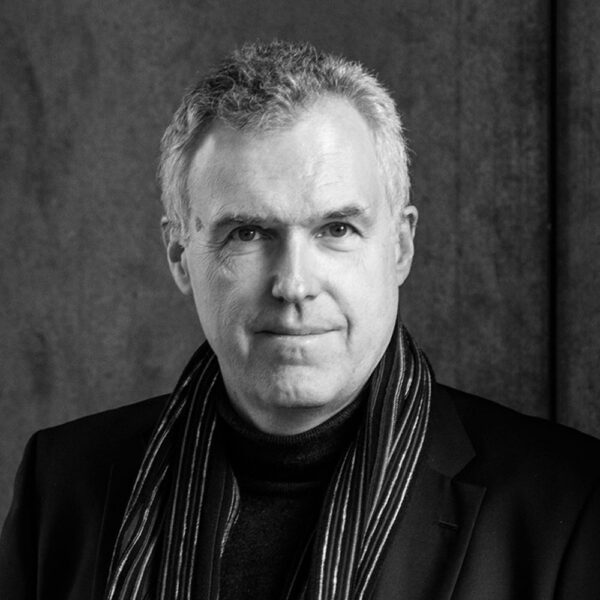
Biography

Darrel Toulon is an artistic researcher, practitioner, and educator at the Anton Bruckner Privatuniversität, Austria. He is also a cultural manager, an artist supported by Arts and Health Austria, and the Founding Artistic Director of 'the alpha group’, based in Vienna. His projects align with the university's Third Mission, addressing issues such as the consequences of migration and war, intersectionality and identity, and long-term unemployment. His primary area of research is the development of docu-dance-theatre as a transdisciplinary tool using participatory artistic interventions for personal growth, trauma transformation, and societal change, with marginalised, stigmatised, and silenced populations.

Toulon has headed projects in Bosnia, Kosovo, and Uganda, and was a featured artist at Künstlerhaus Wien (SUBSTANZ Exhibition, 2024-25). Other international projects include the intergenerational/interethnic Peace-Building with Performance Arts Residency at Mindanao State University, Philippines. His projects also target young adults with migration backgrounds and NEET status, and individuals living with their Lebensborn family inheritance.

In 2002, he was awarded the First Austrian Dance Production Special Prize. His community dance project “THROUGH THE OPEN DOOR” (2015), created with unaccompanied minor refugees residing in Graz, Austria, was nominated for Place of Respect 2016. He was awarded the Styrian Golden Cross of Honour in 2016.

Keynote Presentation (2026) | TBA
Christoph Thun-Hohenstein
Future Platform ReGenerativa, Austria

Biography

Christoph Thun-Hohenstein is cultural manager, curator, and author at the interface of fine art, media art, design, architecture and ecology, climate, regeneration as well as digitalisation and artificial intelligence / superintelligence. He is Artistic Director of the Future Platform ReGenerativa, Austria.

After studying law, political science, and history of art at the University of Vienna, Austria, Dr Thun-Hohenstein worked for the Austrian Foreign Ministry and held posts in Abidjan, Geneva, and Bonn. He was Director of the Austrian Cultural Forum New York from 1999 to 2007. From 2022 to 2025, he was Director General for International Cultural Relations at the Austrian Foreign Ministry. From 2007 to 2011, he served as Managing Director of departure, the Creative Industries.

Agency of the City of Vienna. Dr Thun-Hohenstein also served as General Director and Artistic Director of the MAK – Austrian Museum of Applied Arts in Vienna from 2011 to 2021. He then founded the Vienna Biennale for Change, which he directed from 2014 until 2022. Most recently, he initiated the Vienna Climate Biennale and chaired the Advisory Board of the Vienna Climate Biennale.

Dr Thun-Hohenstein has published several books. His most recent book, Zukunftsmutig (Kremayr & Scheriau 2026, in German), was released earlier this year.

Keynote Presentation (2026) | TBA
Performance Art Countering Social Invisibility at the Intersection of Social Justice and Legal Change
Keynote Presentation: Darrel Toulon

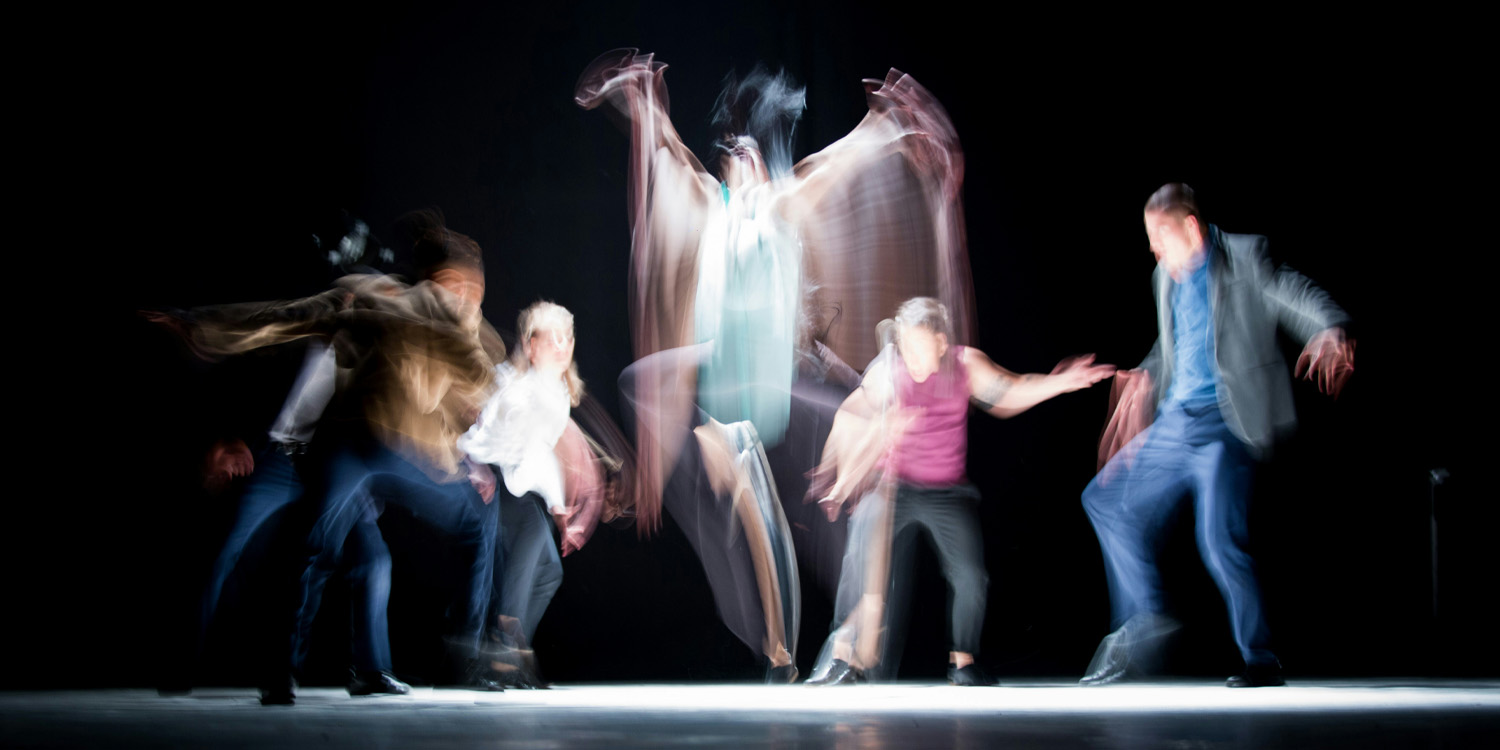
Social invisibility refers to the phenomenon where certain groups or individuals are marginalised in a haze of stigmatisation, discrimination, and non-acceptance. Docu-dance-theater (Toulon, 2014) is a performance art that uses participatory artistic interventions to effect personal growth, trauma transformation, and societal change in vulnerable populations. By transforming the hard facts of real-life biographical source material into fiction for performative interpretation to breach the void of communication, dominant cultural narratives can be rewritten and witnessed, initiating multi-layered processes of integration, reconciliation, and socio-political transformation.

At the heart of this presentation is more than a decade’s insight from an evidence-based body of work, drawn from internationally implemented projects that intersect with transdisciplinary research in post-conflict zones, contributing to, for example, the recognition and acceptance of children born of war in Bosnia and Herzegovina, and children born in captivity in Uganda. Simultaneous, coordinated engagement across multiple domains is necessary for this work to successfully foster a sustainable, just society.

How can an invisible population be rendered as empowered creative agents and advocates? How can vulnerable groups challenge their social and legal invisibility, and break the walls of silence surrounding their existence? How can marginalised groups negotiate when and how they want to be seen, and have their needs and experiences recognised by mainstream society, policy makers, and researchers? Docu-dance-theater methodology is situated within the Post-Traumatic Growth model (Calhoun and Tedeschi, 1998), and builds on Trauma-Informed Principles (Alessi and Kahn, 2022) to create ‘safe spaces’ that allow interventions to unfold in a benevolent manner. Hart’s Peacebuilding Wheel (2008) serves as a framework for visualising the multi-layered needs of societies affected by war, with tangible and intangible issues, intergenerational trauma transmission, and deep-rooted conflict.

Read presenter's biography
Arts in Crisis Settings: Rethinking Health, Education and Protection
Keynote Presentation: Albane Buriel

Over the past decade, arts, health, and wellbeing have become an increasingly established field of research, practice, and public policy. The WHO scoping review on arts and health (Fancourt & Finn, 2019), the creation of the Jameel Arts & Health Lab, and UNESCO’s Framework for Culture and Arts Education reflect a growing recognition of artistic and cultural participation as a matter of public interest.

Yet, in contexts of crisis, conflict, and displacement, the purposes and conditions of arts-based practice require particular attention. Violence, displacement, disrupted education, weakened social ties, and the loss of cultural spaces affect not only individual wellbeing, but also collective memory, cultural continuity, participation, and possibilities for peace. This keynote draws on multi-sited research and practice in Syria, Iraq, and other crisis-affected contexts to examine how arts-based programmes operate across health, education, and protection.

Proposing a typology of existing approaches, this talk distinguishes between programmes primarily oriented towards health and psychosocial support from those focused on education in emergencies, while also identifying hybrid approaches that connect cultural participation, protection and community life. These practices include visual arts, theatre, music, storytelling, participatory, and biographical approaches, often developed in collaboration with local artists and communities.

The keynote argues that artistic practices should not be understood solely through therapeutic outcomes or individual wellbeing. Their potential lies also in creating conditions for expression, recognition, collective meaning-making and social connection. However, such effects are neither automatic nor inherent to art itself. They depend on facilitation, meaningful participation, cultural legitimacy, and the quality of relationships between artists, educators, health professionals, and humanitarian actors. The presentation concludes by considering the ethical, professional, and evaluative challenges facing this emerging field.

Read presenter's biography
Digital Humanism in a More-Than-Human World
Keynote Presentation: Christoph Thun-Hohenstein

Digital Humanism is a movement founded in Vienna that is characterised by a critical yet constructive stance towards digitalisation: it posits that digital technologies should serve people, not the other way round, and is based on five fundamental considerations:

  1. Digital technologies change us and our lives.
  2. They must protect people and the environment.
  3. They should strengthen democracy and society.
  4. They are malleable, not fate.
  5. Most importantly, people are not machines.

The rapid developments in AI and the massive ecological crisis call for an urgent update to Digital Humanism. We must embed it within a holistically conceived ‘more- than-human world’, and position nature as humanity’s most important partner in dealing with AI. For humans are part of nature; they are one species among many. Humans would therefore be well advised to abandon anthropocentric thinking and to use powerful technologies such as AI not only for their own benefit, but also consistently for the protection and well-being of our planet. The ultimate goal must be the regeneration of human civilization in future-oriented harmony with nature.

This keynote will introduce a brand new initiative that brings together people, nature, and AI into a groundbreaking shared vision. It will outline a Regenerative Digital
Humanism, through which AI, nature, and we are united as allies for a better world. It will focus on empowering Gen Z, a generation with best prospects of living to see the next turn of the century.

Read presenter's biography
The Forum
Come share your thoughts and experiences as global educators and researchers.

The Forum is a plenary session designed as a platform for international, intercultural, interdisciplinary – and inclusive – discussions, joining experts and practitioners alike in an open dialogue format. Come share your thoughts and experiences as global educators and researchers.

The Forum will take place in two separate formats.
The Forum (Onsite) will be held at the venue and is exclusively for Onsite participants

The Forum (Online) will take place on the Online Day and is open to all Conference participants and IAFOR Members.

Overviews of the ideas, conversations, and key takeaways generated from the discussion at these sessions are recorded and archived in the Conference Report and Intelligence Briefing (ISSN: 2759-4939)